
Fat Grafting In Gainesville, FL
Fat grafting—also known as fat transfer or lipomodelling—is a plastic surgery procedure that uses body fat to contour and transform targeted areas of the body. Body fat is harvested from an area of the body through liposuction. This fat is then purified and injected into another area of the body, such as the face, breasts, buttocks, or hands. This process is a long-lasting alternative to dermal fillers and implants. Ultimately, fat grafting restores volume, smooths contours, and helps patients achieve their desired appearance.
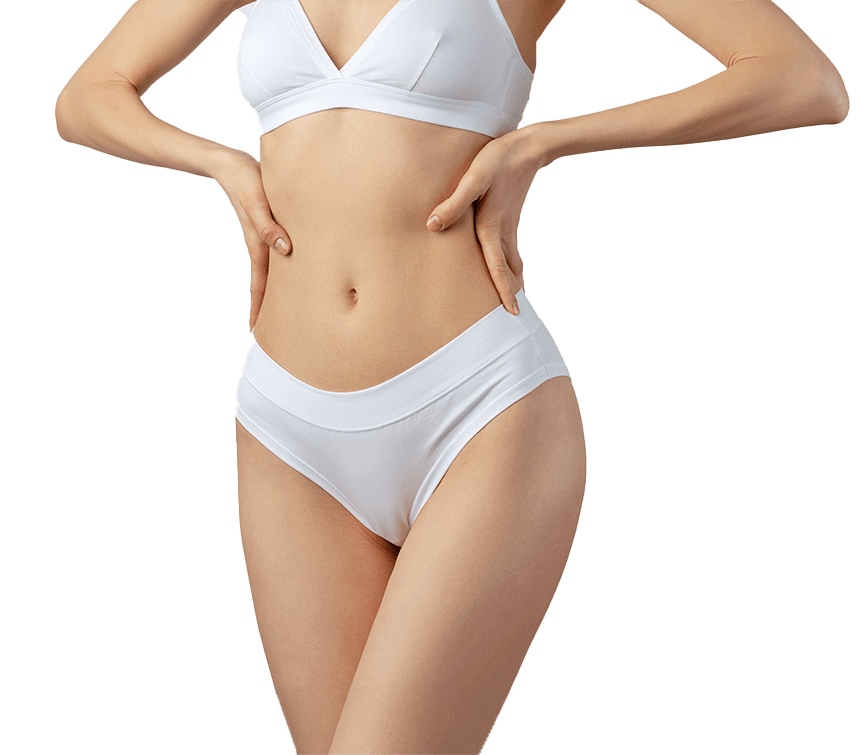
How Fat Grafting Works
Fat grafting is a three-step surgical procedure that aims to restore volume to the face, breasts, buttocks, or hands while reducing fat build-up in other areas of the body. Depending on the patient’s body fat percentage and personal preferences, donor sites typically include the abdomen, thighs, flanks, or lower back.
Step 1: Liposuction
The first stage of the fat grafting procedure is liposuction of the donor site. In this step, specialized cannulas and medical-grade vacuums are used to break up and collect fatty tissue for further processing. Donor fat can be collected on its own or as a part of a large-scale body contouring liposuction procedure, wherein redistribution and removal of fat is the primary goal of the procedure. The type of anesthesia used (general or local) depends on the severity of the procedure, the preferences of the patient, and the professional opinion of the plastic surgeon.
Step 2: Purification
The fat must then be purified to ensure the viability of the donor fat cells. This process removes contaminants such as blood, debris, and dead cells that would otherwise make it difficult for the fat cells to integrate themselves into the surrounding tissue. Most plastic surgeons do this through either centrifugation or filtration of the collected fat.
Step 3: Injection
The purified fat is then ready to be injected into the recipient sites. Our plastic surgeons inject the fat slowly and in small amounts and layers to ensure even distribution and maximize contact with surrounding healthy tissue, which improves blood supply and long-term fat survival. Most surgeons opt to inject a generous amount of donor fat at this stage, as a significant amount of the injected fat will be absorbed back into the body as the patient heals.
What Areas Can Be Treated With Fat Grafting?
Numerous areas can be treated with fat grafting, including but not limited to:
Hands
As you age, hands are prone to thinning skin and volume loss. Fat grafting treatment can reverse this natural process. This procedure improves skin texture, restores lost volume, and makes veins and tendons less visible.
Face Fat Transfer
Facial fat transfer is designed to smooth wrinkles and restore lost volume. This creates a youthful, fresh appearance.
Face fat transfer can include:
- Cheeks: Cheek fat transfer adds fullness to sunken-in cheeks.
- Under-Eyes: Under-eye fat transfer can reduce the appearance of dark circles and hollow under-eyes.
- Nasolabial Folds: Smooth away creases from around the mouth and nose.
- Lips: This procedure creates natural, fuller lips.
Nipple Fat Transfer
Compared to implants, fat grafting offers a softer, more natural look. This procedure is popular for those looking for reconstruction after a mastectomy or breast surgery.
Hip Dips Fat Transfer
Hip dips can make it difficult to achieve a curvy, hourglass silhouette. Hip dips fat grafting procedures add volume to fill in the dips and enhance the transition between the waist and thighs.
Fat grafting enhances:
- Buttocks: A Brazilian Butt Lift (BBL) is a fat grafting treatment that helps patients achieve fuller, rounder buttocks.
- Breasts: During fat transfer breast augmentation, patients can increase their breast volume and improve shape.
- Labia Majora: Fat grafting to the labia majora can improve symmetry, enhancing confidence and self-esteem.
- Body Contours: Fat grafting can address problems with the thighs or calves.
Frequently Asked Questions About Fat Transfer
The fat grafting process starts with a consultation with Dr. David Mateo de Acosta. During this consultation, Dr. David Mateo de Acosta will perform a physical examination to determine the best donor and treatment sites. He will also review your medical history and work with you to create a tailored fat grafting plan, designed to help you meet your aesthetic goals.
The procedure is performed under anesthesia at our Quad A Accredited Outpatient Surgical Facility. After the surgery, you will need someone to drive you home and stay with you overnight to assist with care.
The day following the procedure, you will be asked to return to the facility for a follow-up appointment. Dr. David Mateo de Acosta will use this visit to assess your healing and answer any additional questions you may have.
Dr. David Mateo de Acosta performs this minimally invasive procedure to successfully enhance curves and rejuvenate features. The recovery process for fat grafting may vary depending on the area that was treated. After treatment, our team will schedule follow-up appointments in order to monitor your progress and healing.
- First Few Days: The patient may experience some swelling and discomfort in the donor and treated areas. Prescribed medications can be used to manage these symptoms.
- 1-2 Weeks: It is advised that patients take about 1-2 weeks off from work to rest.
- Long-Term Aftercare: Swelling typically subsides over several weeks. The final results will be most apparent within 3-6 months following treatment.